Work / Case study
Salon Vert
Salon Vert had no client and no brief to answer to. That was the point: concept to four finished deliverables, across three capture formats, inside a single four-hour studio window, with an in-house crew and no outside vendors.
- Basis
- Spec. No client briefed or paid for this.
- Deliverables
- Stills series, hybrid film, Super 8 piece
- Crew
- Six, built for parallel capture
- Window
- Four hours, two looks
This is spec work. Nobody commissioned it, nobody paid for it, and there is no client behind it — so every choice on screen is ours, and the piece is accountable to nothing but itself. Spec is where a studio shows its hand.
The commercial objective was to prove something a client project rarely gets to demonstrate cleanly: that an idea can go from concept to four finished deliverables, across three capture formats, in one four-hour block — and that the workflow holds when all of it runs at once instead of in sequence.
The painted salon
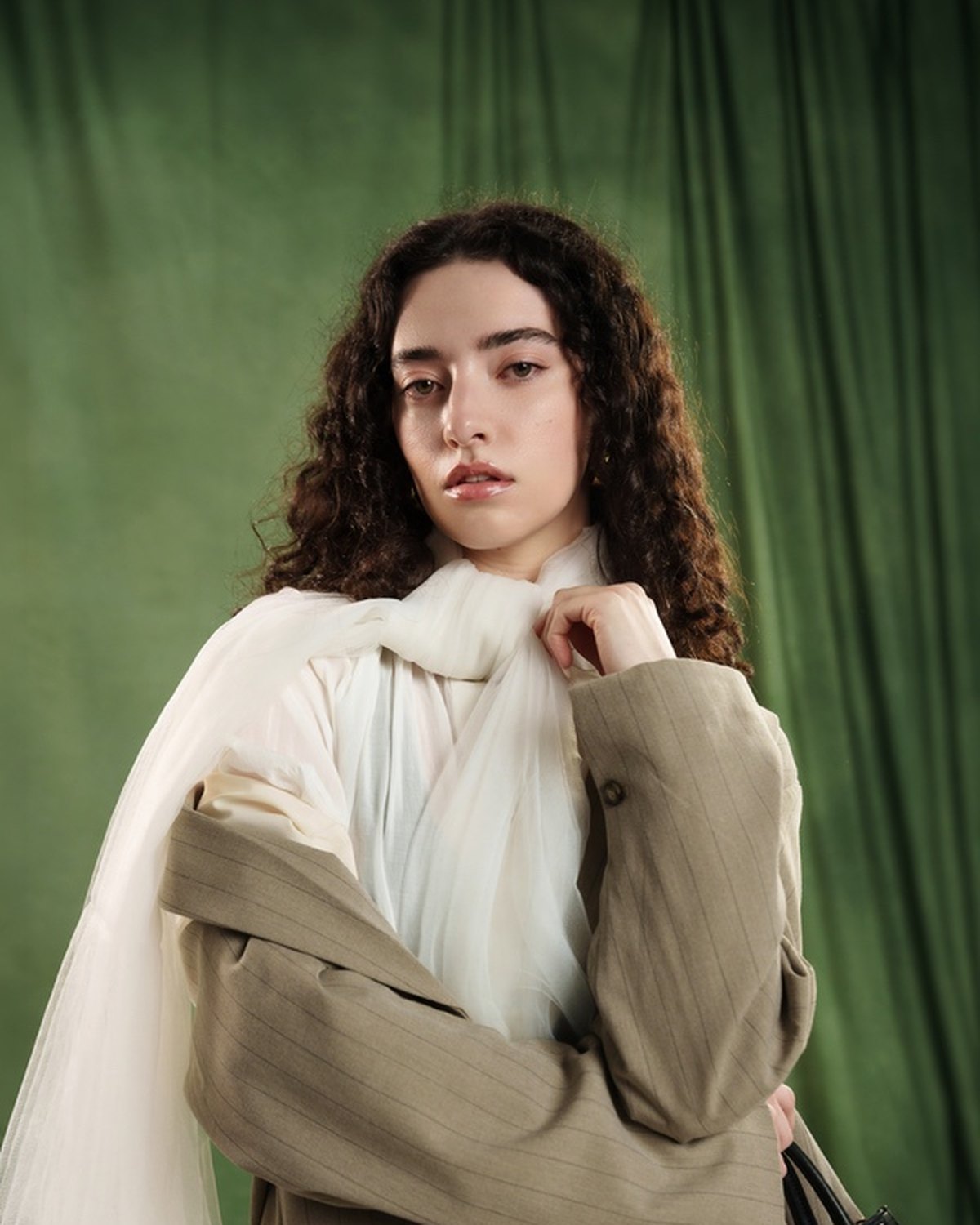
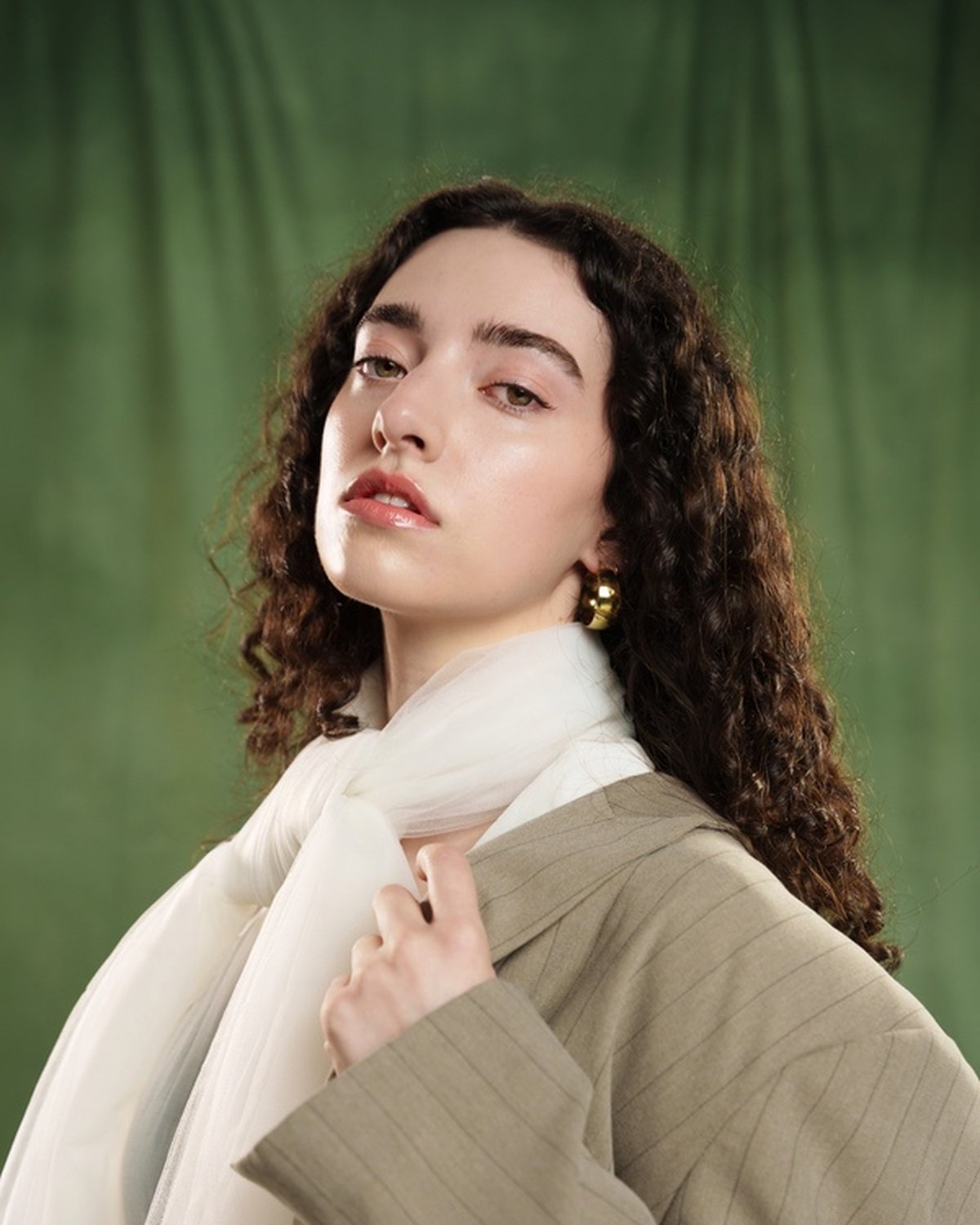
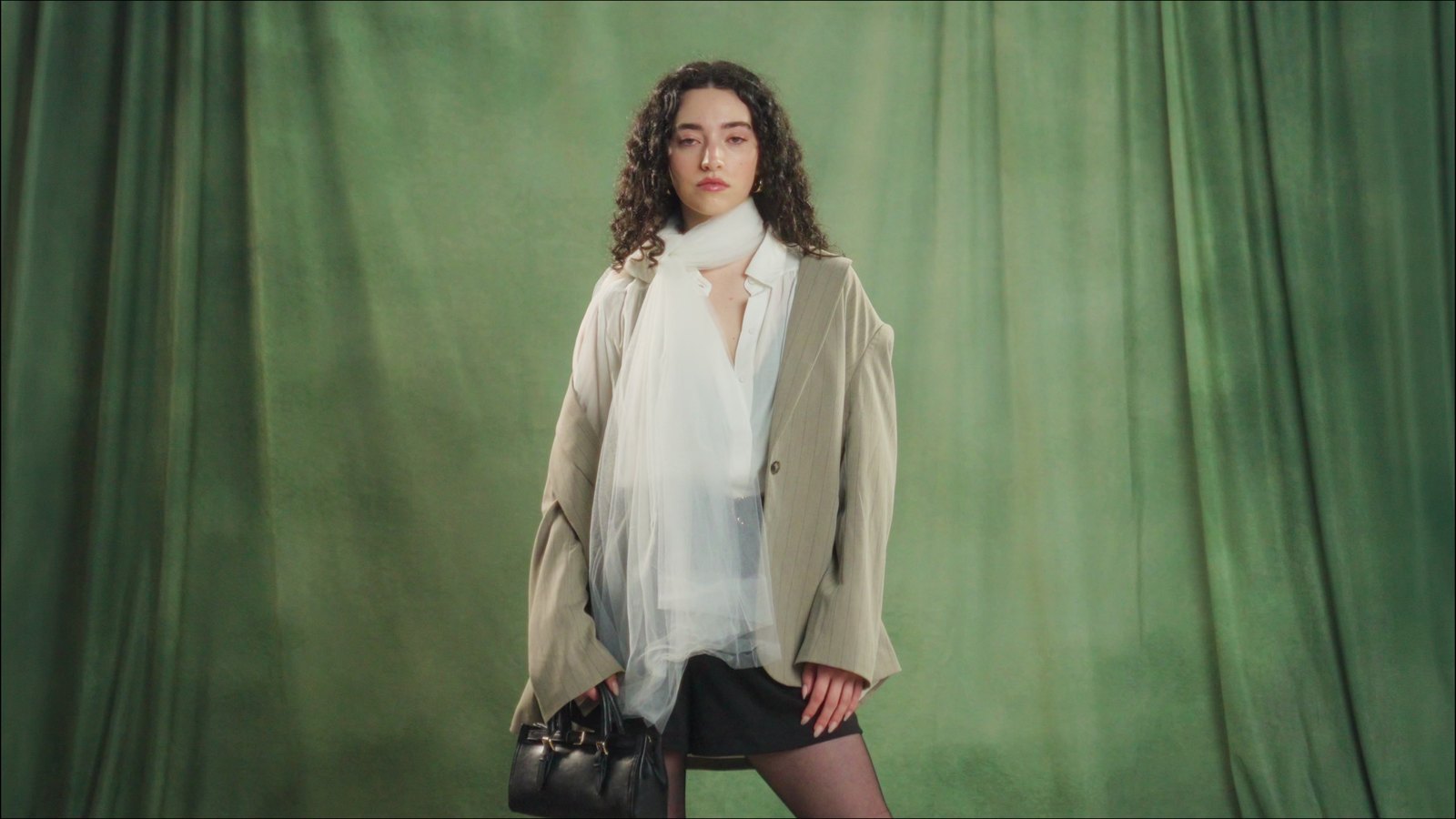
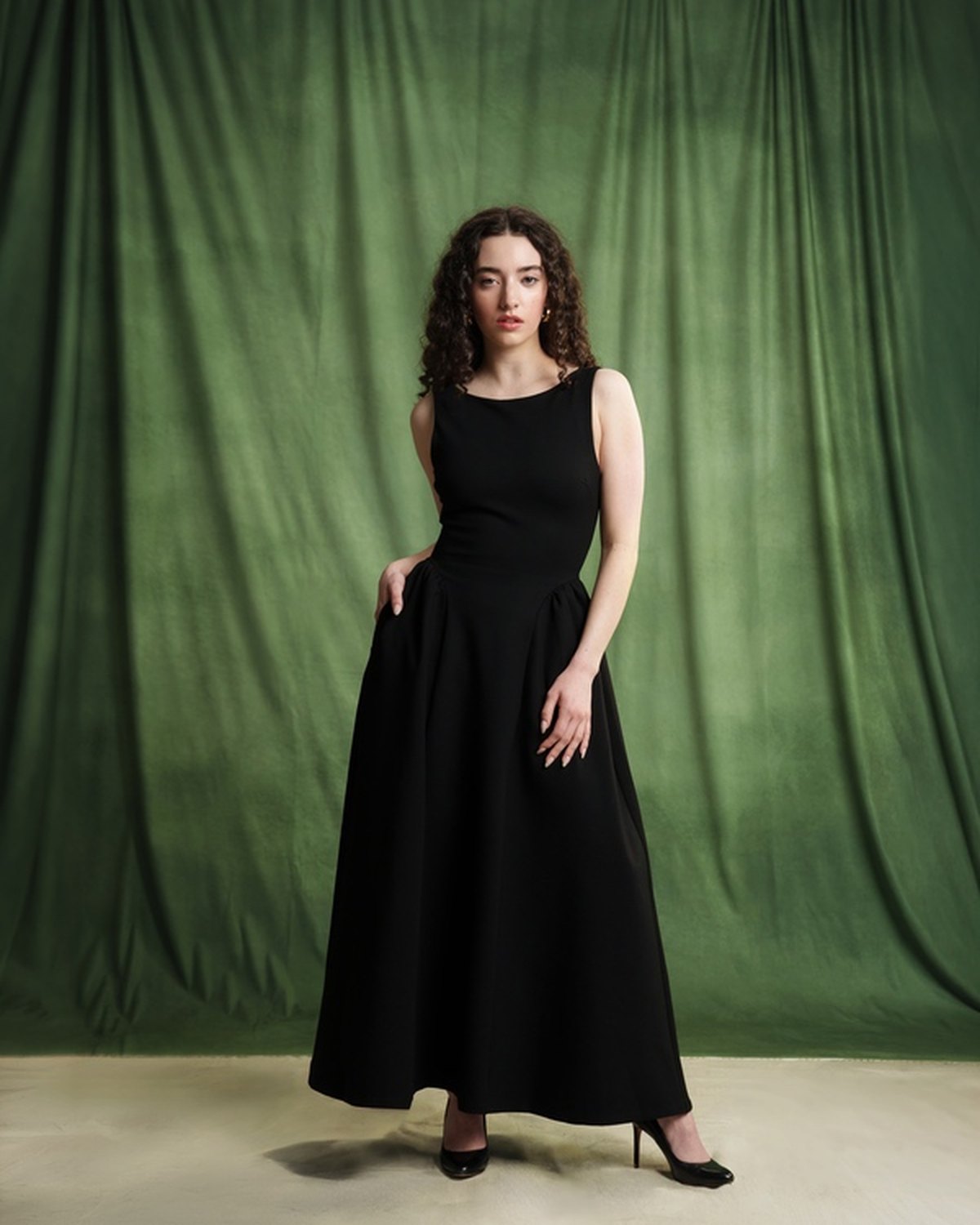
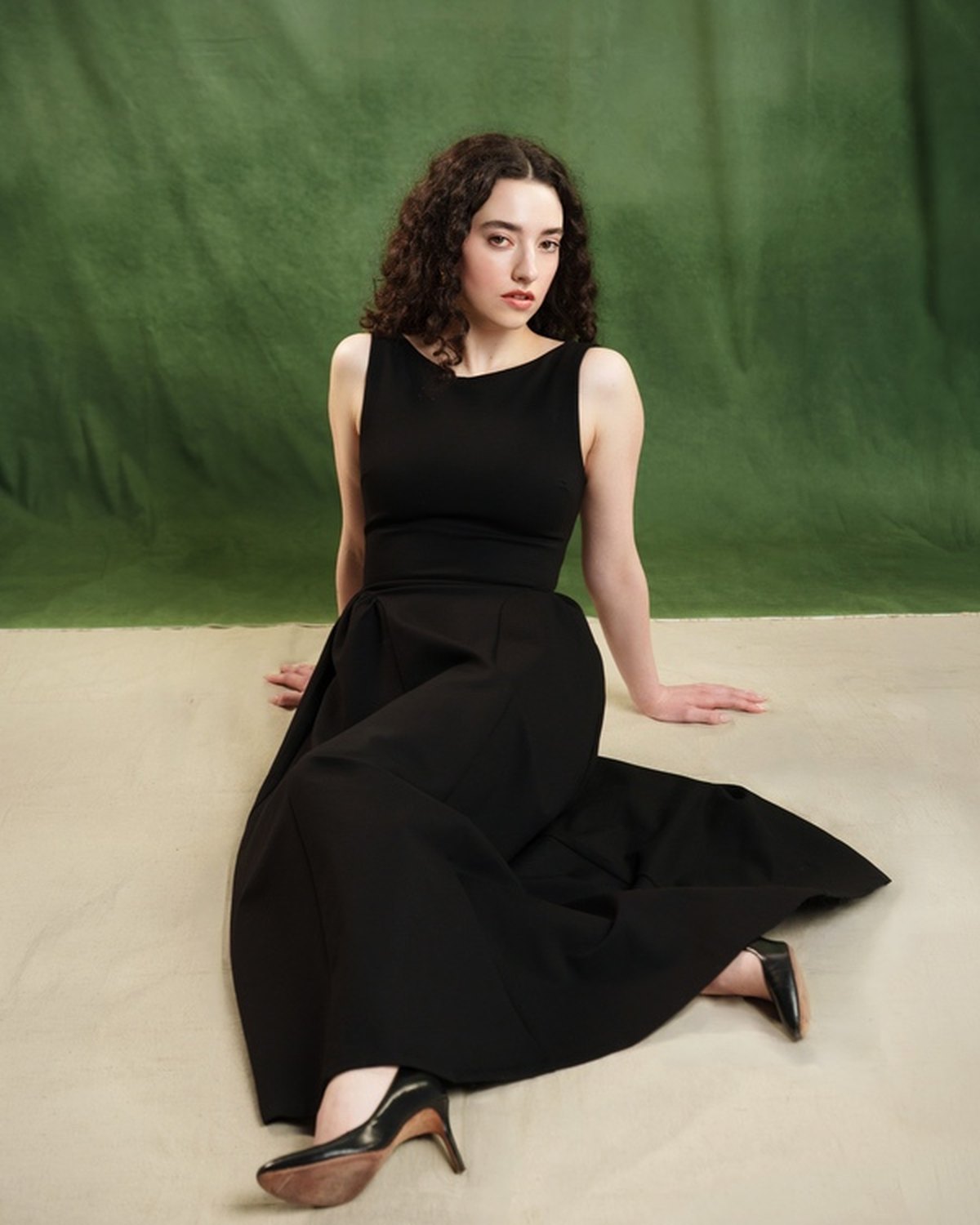
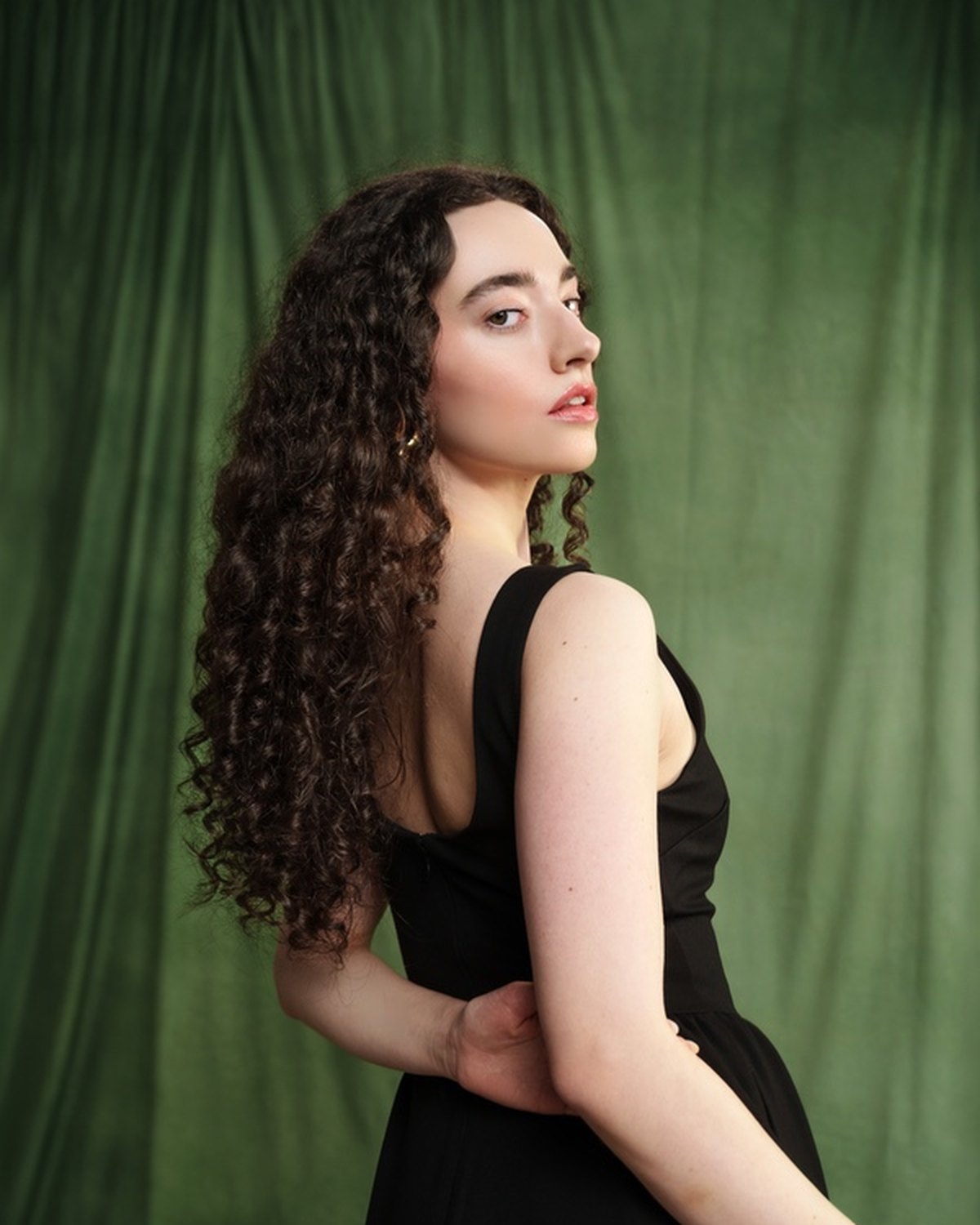
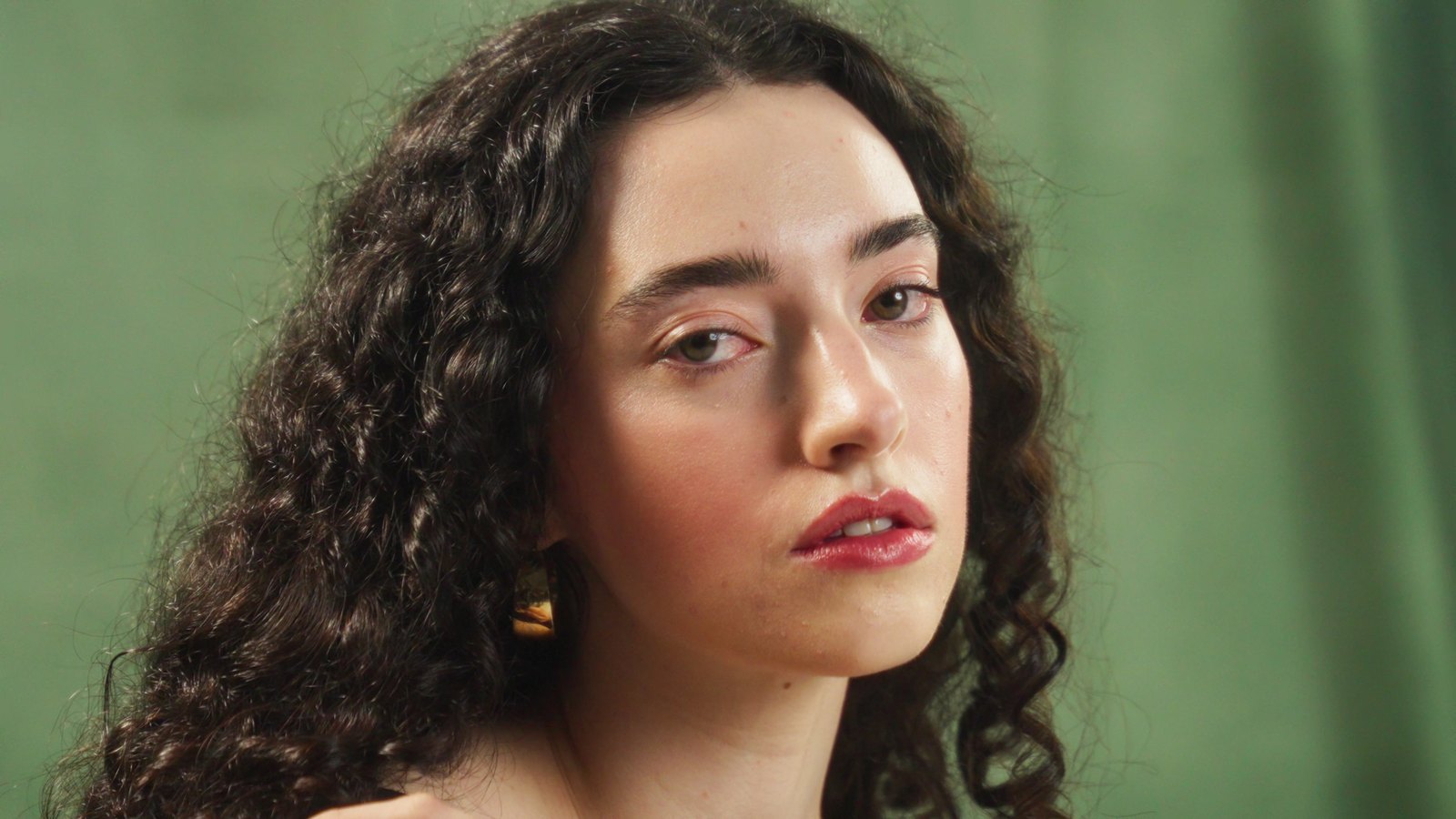
The setting references the private salon — intimate, unhurried, charged with subtext. A hand-painted olive green backdrop anchors the visual world, quietly referencing the verdant interiors of French bourgeois life without romanticising them.
The palette draws from French interior tradition: neither warm nor cold, always considered. Noir, crème, camel, olive, gris. Every tone earns its place.
Two looks, deliberately opposed
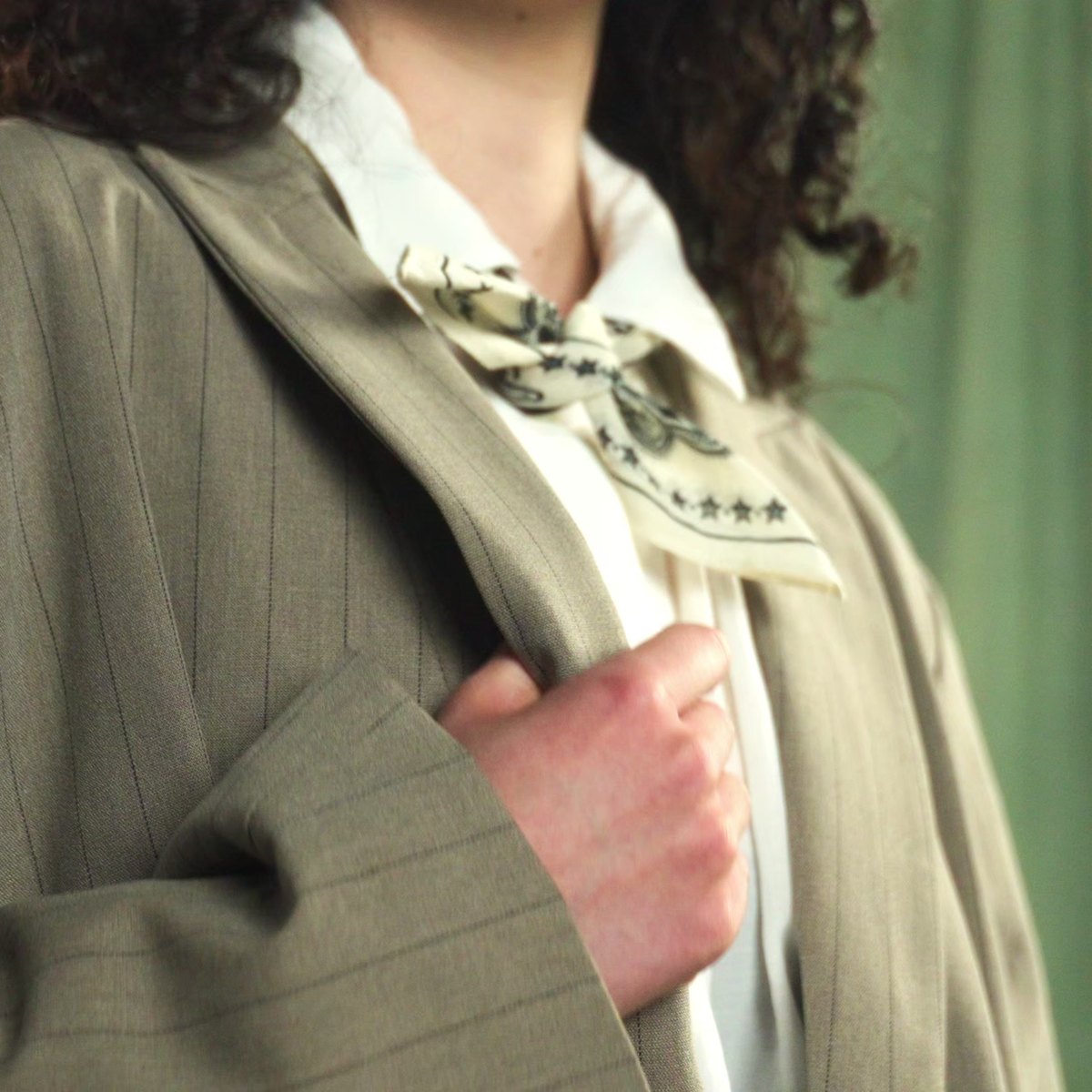
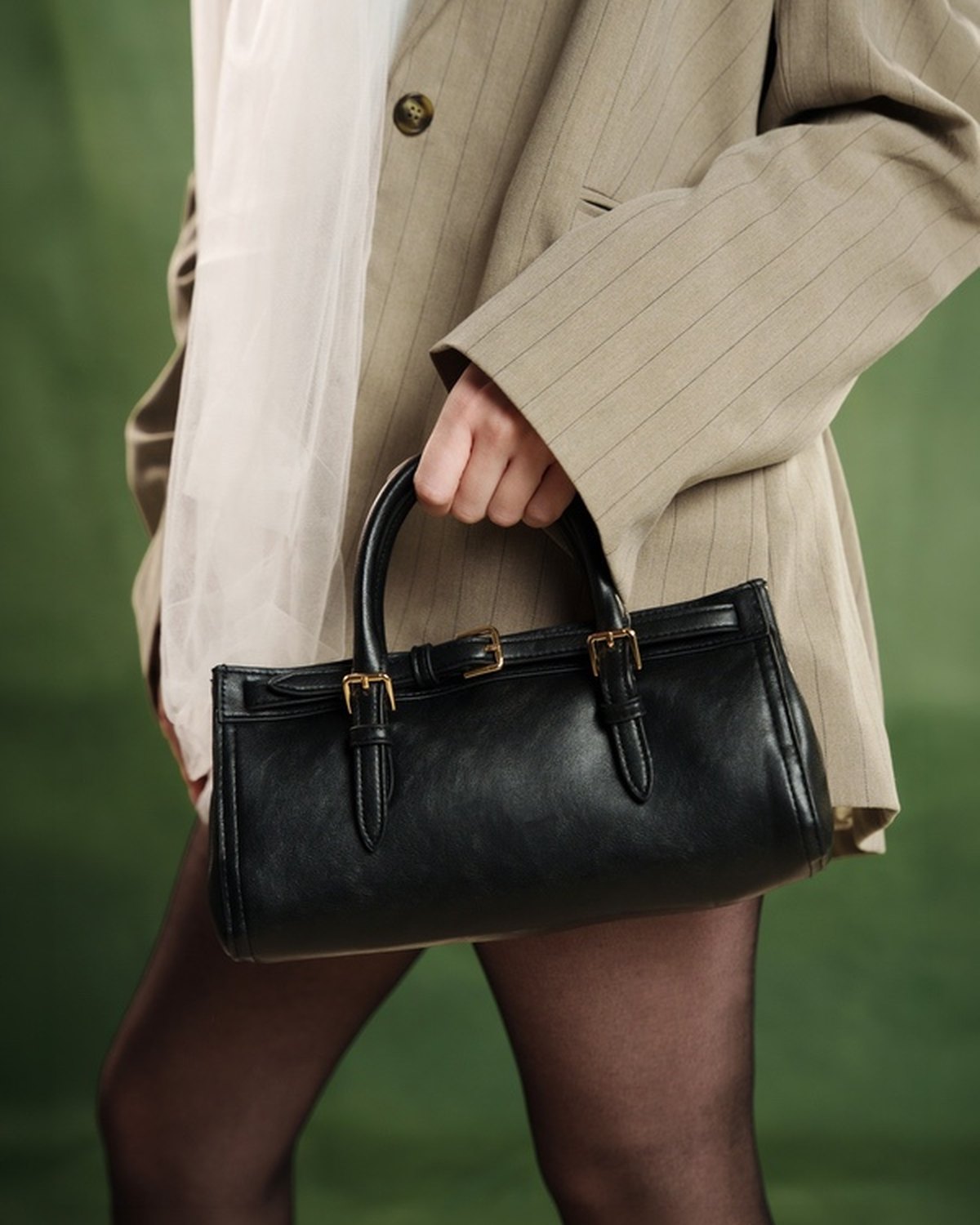
Tailoring against transparency. Structured black bottoms and hard tailoring set against a white blouse with volume in the sleeve, a neck scarf tied like a cravat, a belt with weight to it. Sheer organza and tulle layered under and over a blazer. The masculine elements are the ones with structure; the feminine ones are the ones you can see through. The frame sits in the ambiguity where they overlap rather than resolving it.
The painted salon. The olive backdrop comes forward and becomes the subject as much as the garment. Cream lace and organza against deep green, then black minimalism with a beret. The reference points are painterly and seated — closer to portraiture than to fashion, with the model held still and the fabric doing the moving.
The crew is the method
Six people, and the shape of the team is the whole method. Two collaborators worked as photographer–videographer hybrids alongside creative direction, which meant stills and motion were captured in the same setup rather than alternating — no “now we’re shooting video” reset, no lighting rebuild between formats. That is the only way four deliverables come out of a seventy-five-minute block per look.
Hair, makeup and styling each held a dedicated seat. On a four-hour day with two full looks, wardrobe changes are the schedule’s only real risk, and giving styling its own owner is what kept the changeover inside its window.
Super 8 as a deliverable, not a souvenir
Film was in the plan from the concept stage, not added on the day. That distinction matters commercially: it means the shoot was designed knowing the footage had to survive development and scanning and then hold up in an edit — so the film got a real allocation of the shooting window rather than the last ten minutes.
The payoff is that the same four hours produced two independent motion pieces: a hybrid cut intercutting digital and Super 8, and a standalone film piece with its own logic. The grain, the gate weave and the colour response of Super 8 do something to olive green and cream that a digital grade approximates but does not replicate — which is why the palette and the format were chosen together rather than in sequence.
What a spec is for
Underneath the workflow argument there is a creative one. Salon Vert explores the tension between masculine and feminine codes of dress — tailored silhouettes against fluid fabrics, worked through a restrained French-inspired palette. The series is concerned less with contrast as spectacle than with the charged ambiguity between the two: the moment before a garment is claimed by a gender.
What it demonstrates to a commissioning brand: creative direction that starts from an idea rather than a reference folder, a crew that shoots stills and motion in parallel without either compromising the other, and a finished-asset mindset — film that gets developed and scanned, not shot and shelved. Tell us about the project.
Credits
- Creative direction, photography
- Kevin Cruz (@cruzkv)
- Production
- Gestalt Media House
- Photography & videography
- Dylan Dufault
- Photography & videography
- Brjen Rito
- Model
- Alexandra Robertson, Alaeria Agency
- Hair & makeup
- Lindsay Tanner
- Styling
- Rachelle Hombrebueno
- Location
- White Loft Studio, Vancouver, BC
- Basis
- Spec. Self-initiated, with no client.
Next
MIXT Lobby Lounge